

Get to know the
JOHN MARSH HISTORIC TRUST

Photo by Mike Kozer
Who we are
A 501(c)3 organization
The John Marsh Historic Trust is dedicated to saving the Stone House in Brentwood, California as the centerpiece of the new Marsh Creek State Historic Park.
A unique architectural jewel built in 1856, the John Marsh Stone House – the first stone mansion erected in California – is the most prominent feature of Marsh Creek State Historic Park and tangible symbol of the fascinating cultural, historical and environmental diversity of the San Francisco Bay Area.
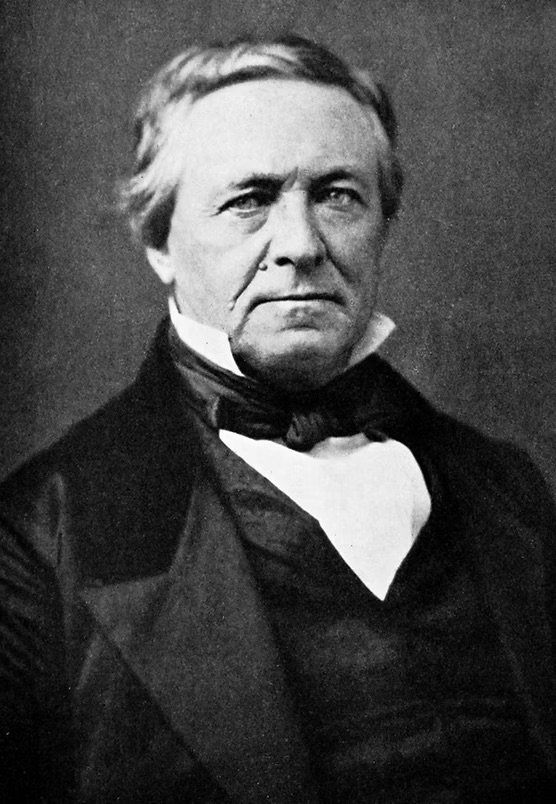
Listed on the National Register of Historic Places, the Stone House is where visitors of all ages will learn the story of the trailblazing Harvard graduate, pioneer doctor and Native American agent John Marsh, whose efforts helped California’s quest for statehood become reality.
In addition to the 19th-century history represented by the house, the archaeological evidence at Marsh Creek tells the story of the Windmiller, Bay Miwok and Volvon people dating back 7,000 years. The site also tells the story of the Mexicans who once owned the land, and the vaqueros who worked Marsh’s vast herds of cattle. Visitors will also learn of the site’s significance as the destination of the first pioneer wagon train on the great Overland Trail from Independence, Missouri.
The Stone House is being restored to its original 1856 structural condition except for the tower, which was repaired following an earthquake in 1868. Sections of the Stone House and site will be restored and furnished in a way that reflects their mid-1800s character. Others will be used to display artifacts such as medical utensils and farm tools. The Stone House will be a destination for youth groups, families and school field trips. It will also serve as a venue for special events, lectures, celebrations, weddings and receptions.
The Adobe House John and Abby Marsh inhabited for 20 years prior to completing the Stone House may be rebuilt and examples of the rancho’s original gardens, orchards and vineyards planted to reflect Marsh's contribution as Contra Costa County’s first farmer. A Miwok village may be recreated to represent Native Americans’ habitation of the site, both prior to and during John Marsh’s presence there.
Incorporated into the story of the adobe is the story of the site as a former Mexican land grant, and the contributions of the vaqueros who provided the human resources without which Marsh could not have operated his Rancho Los Meganos. The little-known saga of post-mission era, pre-Gold Rush Alta California was lived out along the banks of Marsh Creek, and is one more intriguing facet of the record preserved in Marsh Creek State Historic Park.
The juxtaposition of the Stone House, Adobe and Native American dwellings and artifacts can lead to a better understanding of the relationship between early California groups including settlers from Spain, Mexico and the United States, and Native American residents. Rancho Los Meganos also represents the link between historic sites such as Sutter’s Fort, Gold Rush sites and other significant houses built in the late 1800s.
The site also brings to light the Stone House’s unique architecture and construction methods used to preserve it. The partnership involving numerous agencies, the private sector and the nonprofit community that has helped make it happen will also be emphasized and celebrated.
The preservation of the John Marsh Stone House is crucial to the preservation of the rich local, state and national history of the Marsh Creek State Historic Park – all in the service of the public’s educational and recreational benefit.
John Marsh Timeline
June 5, 1799 – Born in Danvers, Massachusetts.
1819–1823 – Studies at Harvard College; shifts focus from ministry to medicine.
1820s–1830s – Moves west, works as teacher and U.S. Indian agent at Fort Snelling; fathers a son, Charles, with Marguerite Decouteaux.
1836 – Travels to Mexican California via Santa Fe; becomes a Mexican citizen and converts to Catholicism.
1837 – Purchases Rancho Los Méganos (17,000 acres) in present-day Contra Costa County.
1837–1840s – Practices medicine (considered the first physician in California); grows wealthy as ranchero.
1841 – Hosts members of the Bartleson-Bidwell emigrant party; tensions arise over livestock.
1840s – Advocates American immigration through his widely circulated letters (“Marsh’s Route”); promotes U.S. annexation of California.
1845 – Helps organize foreigners to support statehood efforts; plays a role in ousting Governor Micheltorena.
1851 – Marries Abigail Tuck; they have a daughter, Alice Frances (1852).
1855 – Abigail dies before completion of their stone mansion near Brentwood.
Sept 24, 1856 – Marsh is murdered by his vaquero employees in a wage dispute.

John Marsh Day in Brentwood is June 5, 2025
We are better because you were here
-
Gene Metz
Former Trust President
-
Kathleen Mero
Founding members of the trust
by Alexandra Ghiozzi
Emeritus Board Member and former Chair
Kathleen Mero was a force of nature. Although small in stature, she had the warmest smile, brightest eyes and boundless energy. I was lucky enough to meet Kathleen in 2008 when I began volunteering on the John Marsh Historic Trust Board of Directors. I had never served on a board before and Kathleen took me under her wing, teaching me about agendas, Robert’s Rules of Order and so much more.
Kathleen, and her husband Bill, were founding members of the trust back in the late 1990s. Kathleen served in various positions on the board and was instrumental in working with a diverse group of partners to found and fund the Trust, and complete work that literally kept the house standing.
Kathleen’s passion for the project came from her love of history. Along with Bill, they traveled to the East Coast and Midwest to many of the places John Marsh had lived, studied and worked before coming to California. She was also instrumental in seeking out the living descendants of John Marsh. She built a close rapport with the current sixth great grandchild of Marsh who lives and works in Truckee, CA.
Beyond research and outreach, Kathleen also created and edited the newsletter, back in the day when it was printed instead of electronic. I fondly remember visiting Kathleen and Bill at their home in Concord to stuff envelopes with the newsletter and donation requests. We had a fun afternoon with lots of laughs and maybe a little wine.
Her boundless energy and dedication to the Trust also allowed me to work with her to plan the first ever John Marsh Historic Trust fundraising cruise to Alaska. Through her connections, the Trust raised nearly $2500 from this fun adventure.
Kathleen and Bill enjoyed traveling the world together with family and friends. They were always planning new and exciting adventures to Hawaii, Europe, the Galapagos and even Antarctica. She had a zest for life that we all hope to have into our later years.
Kathleen Mero’s contributions to the Trust are simply too many to list. She was an integral member of the Board for some 20+years. For me, she was a mentor, a colleague and a friend. That light in her eyes may be extinguished but her spirit lives on in the work of the Trust, the John Marsh House, her family and countless friends near and far. I was lucky to know Kathleen and wish her family comfort and peace.
Thank you,
Alexandra
-
Name
Title